
The president cites complaints about coverage, while news organizations challenge the announcement and questions remain over how restrictions would be enforced.
September 19, 2026
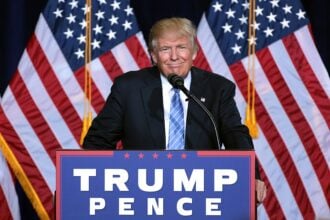
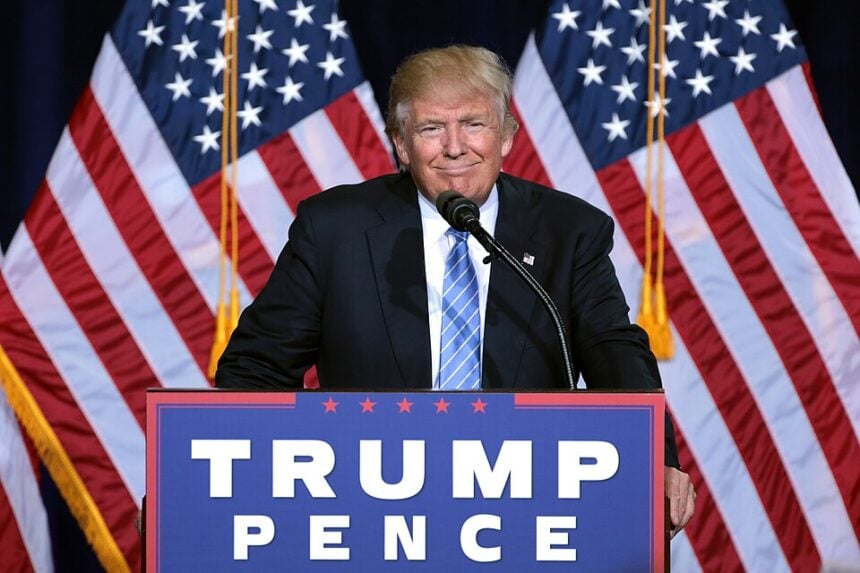
President Donald Trump announced on Friday, September 18, that CNN, MS NOW and Politico would be barred from the White House. In a post on Truth Social, he accused the organizations of spreading “fake news” and said the ban would take effect immediately. He also warned that other outlets could face restrictions. Reuters.
Speaking to reporters during an Oval Office event shortly after the announcement, Trump defended his position by saying that he supported a free press but expected “a fair and honest press.” He attributed the decision to accumulated complaints about coverage, rather than identifying a single triggering report. Asked whether he was attempting to intimidate journalists, the president denied that was his intention. ABC News.
The practical effect of the announcement was not immediately clear. The Associated Press reported that journalists from the three organizations remained on White House grounds late Friday afternoon, with no indication that they were being removed. Trump had not provided further details about implementation. His declaration therefore left a central question unanswered: what access would actually change for the reporters covering his administration? Associated Press.
CNN defended its White House reporting team and said government interference with its journalists’ work would violate their constitutional rights. Politico also said it would continue covering the administration and defend its First Amendment protections. The responses signaled that the organizations disputed the president’s justification and intended to maintain their coverage despite the threatened restrictions. ABC News.
The White House Correspondents’ Association added its opposition in a statement issued by its president, Jacqui Heinrich. She argued that protections for journalists do not depend on whether a president approves of their reporting or the questions they ask. The association expressed support for the three targeted organizations and emphasized the consequences for the public. In its view, access allows Americans to receive an independent account of presidential decisions, policies and activities, making the dispute about public information as well as journalists’ ability to work. White House Correspondents’ Association statement.
The confrontation recalls a dispute from Trump’s first term involving CNN correspondent Jim Acosta. The White House sought to revoke his access, prompting CNN to sue to restore his credentials. The administration subsequently dropped that effort. That history provides context for the latest announcement, although the details and implementation of the newly threatened restrictions remained unresolved. ABC News.
A separate dispute involving The Associated Press also remained in litigation after the administration restricted its access over the outlet’s continued use of the name Gulf of Mexico. On Friday, Trump suggested that The New York Times and The Washington Post could face similar restrictions. He also acknowledged that the courts could affect how far the announced ban could go. New York Post.
As of Friday afternoon, the announcement had drawn strong objections, but the extent of any changes to journalists’ access remained unconfirmed. Associated Press.