

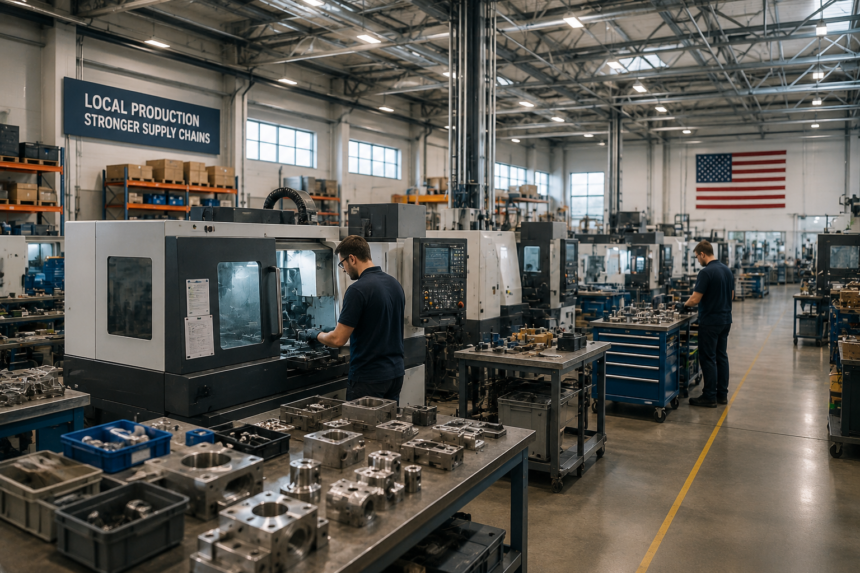
Cross-border logistics costs and unpredictable tariffs prompt European medium enterprises to abandon traditional offshore hubs.
Mid-sized European manufacturers are increasingly pulling operations out of traditional offshore manufacturing hubs, moving toward localized supply micro-hubs across continental Europe. Driven by persistent supply chain volatility, fluctuating freight tariffs, and extended shipping windows, corporate strategies are prioritizing stability over raw labor cost advantages.
Financial reports from mid-market industrial firms indicate that while local production incurs roughly 12% higher baseline capital expenditures, the drastic reduction in transit delays and emergency inventory holding costs offsets the operational price gap within three business quarters.
Furthermore, real-time demand forecasting has allowed regional facilities to adapt production volumes within days rather than months. By keeping assembly nodes closer to core consumer markets, businesses are minimizing exposure to geopolitical trade friction and maritime transport bottlenecks.
Industry analysts view this structural regionalization as one of the most significant industrial realignments of the decade, signaling a permanent evolution from ‘just-in-time’ globalized logistics to resilient, localized manufacturing networks.